December 17, 2025
Cell Phones & Tablets
Best Fitness Trackers for Kids: The Ultimate Guide for Parents
Last updated: December 2025
In today’s tech-savvy world, fitness trackers for kids have become a fun and engaging way to encourage healthy habits. These devices motivate children to stay active, set goals, and build a lifelong appreciation for fitness. Whether your child loves running, swimming, or just needs a gentle nudge to move more, there’s a tracker perfect for them. This blog dives into everything you need to know about fitness trackers for kids, including top features, best options, and how to choose the right one for your child.
Fitness trackers for kids are designed exactly for this purpose. They are not about pressure or competition. Instead they help children stay active in a fun and positive way while giving parents peace of mind. This guide is written especially for parents who want clear honest and easy to understand information. You will learn what fitness trackers for kids really do how to choose the right one and how to use it in a healthy family friendly way.
What is a fitness tracker for kids
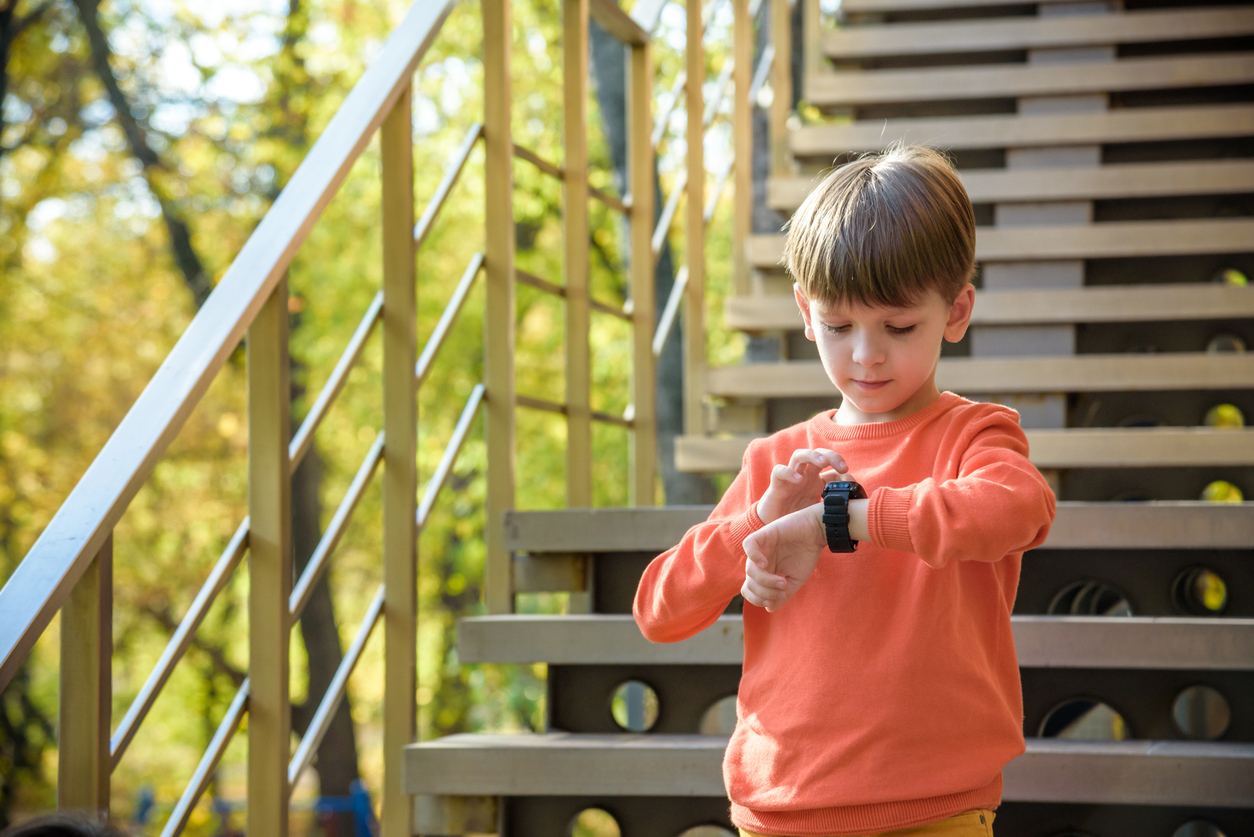
A fitness tracker for kids is a small wearable device usually worn on the wrist. It tracks daily movement such as steps active play time and sometimes sleep patterns. Many kids trackers also connect to a parent app where adults can view activity summaries set goals and give rewards. Unlike adult smartwatches kids fitness trackers focus on simplicity. They avoid complex features and instead highlight fun visuals gentle reminders and age appropriate challenges. The goal is not perfection but progress and awareness.
Why fitness trackers are helpful for children
Kids naturally love games and rewards. Fitness trackers turn daily movement into a game which makes activity exciting instead of boring. This can be especially helpful for children who prefer indoor play or spend long hours with screens. Trackers also help build healthy routines. When children see patterns in their sleep and activity they slowly understand the importance of balance. Parents can use this information to guide bedtime routines outdoor play and family activities. Another benefit is positive motivation. Instead of telling a child to move more parents can encourage them by celebrating goals together. This creates a supportive environment rather than pressure.
$29 $96 (70% off)
Choosing the right fitness tracker for your child
Every child is different so there is no single perfect tracker for everyone. When choosing a device consider your child age personality and daily routine.
For younger children simple trackers work best. These usually track steps and active time and use colorful displays. They are easy to wear and easy to understand.
Older children may enjoy trackers with more detailed activity summaries or gentle reminders. Some families also choose trackers with location features for extra reassurance but these should be selected carefully.
Comfort and design matter
A tracker only works if your child actually wears it. Comfort is extremely important. Look for soft adjustable bands that do not irritate the skin. Lightweight designs are best for all day wear.
Visual design also plays a big role. Bright colors playful themes and customizable watch faces help children feel excited about wearing the device. Letting your child choose the color or style often increases acceptance.
Battery life and durability
Parents appreciate devices that require less charging. Longer battery life means fewer interruptions and less frustration. Some kids trackers can last many days or even months without needing attention.
Durability is equally important. Kids are active and accidents happen. Choose a tracker that can handle water splashes hand washing and outdoor play. Strong materials and secure straps reduce the risk of damage or loss.
Parental controls and privacy
Privacy should always come first when technology involves children. A good kids fitness tracker includes strong parental controls. Parents should manage accounts approve connections and decide which features are active.
Data should remain within the family account and not be shared publicly. Before buying a tracker review the privacy policy to understand how information is stored and used.
If a tracker includes location features parents should carefully control who can see that information. These features should support safety not create stress.
Popular types of kids fitness trackers
Basic activity trackers focus on steps movement and sleep. They are ideal for younger kids and families who want simplicity. These trackers are often affordable and easy to manage.
Advanced kids trackers add reminders challenges and sometimes messaging features. These are better for older children who enjoy more interaction but still need boundaries.
Some devices combine fitness tracking with smartwatch features. These may include calling or location tools. While helpful for some families they also require more setup and responsibility.
How fitness trackers support healthy habits
Fitness trackers can gently encourage daily movement by celebrating small achievements. Instead of focusing on numbers parents can focus on effort and consistency.
Sleep tracking helps families notice bedtime patterns. If a child is not getting enough rest parents can adjust routines calmly and gradually.
Many trackers allow families to create shared goals. Family walks bike rides or playtime become more meaningful when everyone participates.
Tips for introducing a tracker to your child
Start with a positive conversation. Explain that the tracker is a fun tool not a rule book. Avoid using it as a punishment or control device.
Set simple goals together. Celebrate effort not perfection. Acknowledge progress with praise or small rewards.
Check the data together occasionally instead of constantly. This keeps the experience supportive rather than stressful.
Most importantly listen to your child. If they feel uncomfortable take a break or adjust how the tracker is used.
Common concerns parents have
Some parents worry about pressure or comparison. This can be avoided by disabling competitive features and focusing on personal goals.
Others worry about screen time. Most fitness trackers have very simple displays and do not encourage constant use. They are tools not entertainment devices.
Privacy concerns are valid and should be addressed through careful setup and choosing trusted brands with clear policies.
Are fitness trackers right for every child
Fitness trackers are helpful tools but they are not mandatory. Some children naturally stay active without technology. Others may feel stressed by tracking. The decision should always match your child comfort level.
If used with care fitness trackers can support healthy habits and family bonding. If they cause stress they should be adjusted or avoided.
10 Best Kids Fitness Trackers and Their Features 2026
1 Fitbit Ace 3
- Activity Tracking: Steps, active minutes, sleep tracking.
- Fun Rewards: Animated goals that motivate movement.
- Battery Life: Up to ~8 days between charges.
- Water Resistant: Splash and swim friendly.
- Parental Controls: Manage goals and view stats in the app.
Great overall pick for school-age kids who need basic tracking and encouragement. :contentReference[oaicite:1]{index=1}
2 Garmin vivofit jr. 3
- Long Battery Life: Replaceable battery that can last up to ~1 year.
- Activity & Sleep: Track steps and sleep patterns.
- Interactive Challenges: App missions and rewards for healthy habits.
- Water Resistant: Suitable for play and swim.
- Parent App: Set chores and goals, see progress from your phone.
Best choice if you want minimal charging and kid-focused fun. :contentReference[oaicite:2]{index=2}
3 Xplora X6 Play
- GPS Tracking: Real-time location for safety.
- Fitness Tracking: Steps and activity monitoring.
- Calling & Messages: Safe voice/text to approved contacts.
- Games & Rewards: Activity points unlock rewards.
- Parental Controls: Full app oversight.
Great balance of safety and fitness features for kids who want smartwatch capabilities. :contentReference[oaicite:3]{index=3}
4 Xplora XGO3
- Step Tracking: Simple movement monitoring.
- GPS & Safety: Track location and set safe zones.
- Messaging: Calls and texts only to approved contacts.
- Kid-Friendly Design: Bright screen and easy navigation.
Good slightly more affordable GPS fitness tracker with basic safety features. :contentReference[oaicite:4]{index=4}
5 GizmoWatch 3 (Verizon)
- Activity Tracking: Steps and simple fitness summary.
- GPS Safety: Real-time location.
- Two-Way Calling: Talk and text with approved contacts.
- SOS Button: Quick alert feature for emergencies.
Works well if location and communication are priorities.
6 TickTalk 4G Watch
- Activity Tracking: Step tracking built in.
- Advanced Communication: Calls, video, voice messages.
- GPS Location: Real-time location tracking.
- Parental Control: Approve contacts and set usage limits.
Excellent for older kids who need connectivity and fitness all in one.
7 PROGRACE Kids Smartwatch
- Basic Activity Tracking: Steps and movement logs.
- Smartwatch Features: Games and camera.
- Adjustable Fit: Comfortable strap for small wrists.
- Water Resistance: Suitable for everyday play.
A good all-in-one if you want both fitness and fun features.
8 Letsfit Kids Fitness Tracker
- Budget Tracker: Tracks steps, distance, and calories.
- Color Display: Easy to read for kids.
- Lightweight: Comfortable for daily wear.
- Basic Alerts: Reminders to move and activity reminders.
Great affordable choice if you only need basic activity tracking.
9 BIGGERFIVE Vigor 2 L
- Multi-Sport Modes: Track different activity types like running or dance.
- IP68 Water Resistance: Suitable for sweat and splash.
- Long Battery: Good battery life between charges.
- Family App: Parents can view activity and set goals.
Good pick if your kid participates in many types of physical play.
10 iTOUCH PlayZoom
- Activity Tracking: Steps, distance, and calorie count.
- Interactive Fun: Built-in games and camera.
- 5-Day Battery: Lasts several days per charge.
- Kid-Friendly UI: Easy for children to navigate.
A fitness tracker that feels more like a smartwatch with entertainment.
Final thoughts for parents
Fitness trackers for kids are best seen as gentle guides rather than strict monitors. When chosen wisely and used positively they can inspire movement better sleep and family connection.
The best tracker is one that fits your child lifestyle feels comfortable to wear and respects privacy. Focus on fun encouragement and balance rather than data.
With the right approach a kids fitness tracker can become a small but meaningful part of a healthy happy childhood.



 Exclusive Products